




сімейна лікарка у свої.рідні
Every second woman experiences at least one episode of cystitis during her lifetime. One in three women has at least one episode of cystitis before the age of 24. Quite discouraging statistics, aren’t they?
In this article, our physician and general practitioner Solomiia Kruta explains why urinary tract infections occur more frequently in women, how to recognize the symptoms in time, and when it is important to seek medical help.
What is cystitis?
Cystitis is an inflammation of the urinary bladder.
The condition can occur in both women and men. However, women develop cystitis significantly more often than men. The reason lies in anatomical differences:
- a shorter urethra;
- the urinary, vaginal, and anal openings are located very close to each other, allowing bacteria to easily spread from one area to another.
Main symptoms of cystitis in women:
- frequent, painful, or difficult urination,
- sudden and urgent urges to urinate, often producing only small amounts of urine,
- pain in the lower abdomen (suprapubic area),
- sometimes blood in the urine,
- usually no high fever or chills,
- no signs of vaginal irritation.
In many cases, cystitis can be diagnosed with a high degree of probability based on the symptoms listed above and in the absence of unusual vaginal discharge. In older women, diagnosis may be more difficult because similar symptoms are not always directly related to cystitis.
Causes of cystitis
There is a common myth that cystitis develops from sitting on cold surfaces. In reality, the main causes of cystitis are not related to this factor.
So what actually causes cystitis?
In most cases, cystitis is caused by bacteria. The most common pathogen is Escherichia coli.
Factors that may increase the risk include:
- sexual activity,
- use of spermicides,
- a new sexual partner,
- a family history of cystitis (for example, in the mother), or a history of cystitis during childhood,
- urinary incontinence,
- atrophic vaginitis (often associated with estrogen deficiency),
- cystocele (weakening of the supporting tissues between the bladder and the vaginal wall, which may cause the bladder to bulge into the vagina),
- an increased volume of residual urine remaining in the bladder after urination,
- bladder catheterization.
Diagnosis of cystitis
In women, the diagnosis of cystitis may be based primarily on clinical findings — the presence of typical symptoms and the absence of vaginal discharge or irritation. In some cases, a physician may diagnose cystitis and prescribe treatment without additional tests.
When symptoms of acute cystitis are typical, laboratory urine tests (such as urinalysis, dipstick testing, or urine culture) only slightly increase the diagnostic accuracy.
If the diagnosis is uncertain, dipstick testing may help increase the likelihood of confirming cystitis.
Urine culture is recommended for patients with atypical symptoms, lack of response to treatment, recurrence within four weeks, or during pregnancy.
What you should not do if you have cystitis
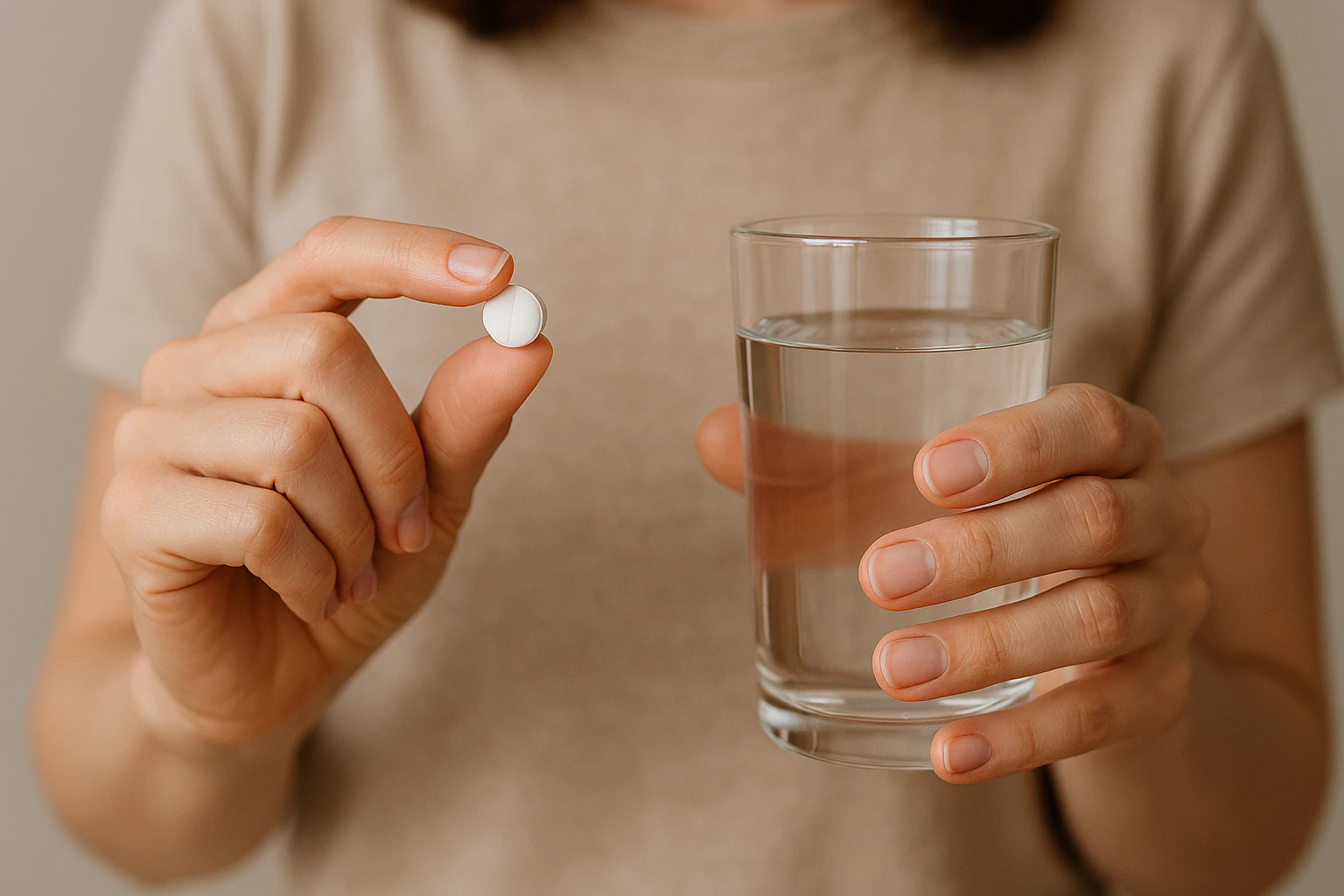
- Do not prescribe medications for yourself, especially antibiotics. Self-medication can harm your health. Always consult a doctor for proper treatment.
- Do not stop taking prescribed medication earlier than recommended. Improvement or reduction of symptoms does not mean the infection has completely resolved. Stopping treatment prematurely may cause the infection to return and make further treatment more difficult.
- Avoid using unproven “folk” or alternative remedies. Do not put your health at risk with methods whose safety is uncertain.
Prevention of recurrent cystitis
- Increasing daily fluid intake by about 1.5 liters in women of reproductive age with recurrent cystitis — especially those who usually drink less than 1.5 liters per day — can reduce the risk of recurrence.
- Do not delay urination.
- If possible, urinate after sexual intercourse and maintain proper hygiene (showering or washing).
- After bowel movements and during washing, clean from front to back.
- Avoid wearing tight or non-breathable underwear.
Treatment of cystitis in women
If typical symptoms of cystitis appear, it is important to consult a doctor to select appropriate antibacterial therapy. A doctor may also prescribe additional medications, such as non-steroidal anti-inflammatory drugs (NSAIDs), to help relieve pain.
Symptoms of complications that require immediate medical attention:
- pain in the lower back or side,
- fever and chills,
- nausea and vomiting.
This information is provided for educational purposes only and does not replace a consultation with a healthcare professional.